
Category: Mold Removal

How to Protect Your AC Unit from Mold

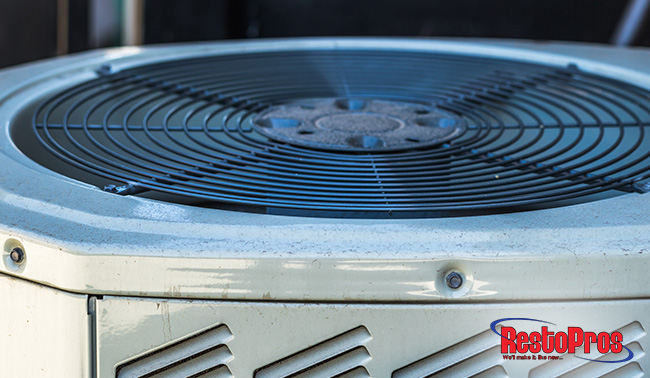
Mold and mildew can be deeply detrimental to your health and your home. If you, like most homeowners, shudder at the thought of it invading your house, learn how to protect your AC unit from mold by following these expert tips from the team at RestoPros.

1. Use the “Auto” Mode While You’re Away

Especially while you are away during the day or on vacation, keeping your AC unit running can control the humidity levels in your home. Therefore, you should set your unit to the “auto” mode while you are away, rather than turning your AC completely off. Mold tends to grow more commonly on AC units that have been dormant for a period of time.

2. Perform or Schedule Regular Maintenance

Routine maintenance of your HVAC equipment is imperative to keeping everything in good working condition. Especially during the transition between winter and spring, you should have your AC unit professionally serviced. Because AC units are dark and warm on the inside, they can be an ideal breeding ground for mold and mildew. You can prevent this with good cleaning habits and regular maintenance.

3. Keep it Clean

As previously mentioned, keeping your AC unit clean can drastically reduce the chances of mold growth. Here are some cleaning tasks you can perform on your own between your annual tune-up visits:

  • Clean your exterior condenser/compressor.

    Use a wet/dry vacuum to remove debris from the interior of your condenser/compressor. Then, use the brush attachment on a shop vac to remove outside dirt. Next, clean the fins by spraying them from the inside with a gentle garden hose. You can also use a fin cleaning spray for a deeper clean. Once you have done these tasks, be sure to clean the area around the unit, raking away leaves and trimming overgrowth.


  • Clean the evaporator coil on your indoor unit.

    Opening the evaporator coil door on the blower/furnace unit, gently dust the coil with a soft brush. Then, spray the coil with no-rinse coil cleaner and allow it to foam and drip into the drain pan. Next, clean out the drain pan with soapy hot water and a little bit of bleach. Then, pour a cup of 50% bleach and 50% water down the drain.


  • Clean your plugged evaporator drain.

    Over time, mold can build up in your evaporator drain. To clean it, find the drain line where it leaves the evaporator coil enclosure. Once you locate the end of this line, use a wet/dry vac to clear the drain.


4. Control Moisture

Moisture control within and around your AC unit is essential to mold prevention. Your ducts are the vessel through which all conditioned air travels to reach your home. Therefore, any mold growth in your ducts can threaten your air quality dramatically. To keep your ducts mold-free, you need to keep them moisture-free. You can do this by maintaining your draining channels and regularly checking for and repairing any leaks. If you ever find standing water anywhere in your duct system, you should have your system professionally serviced asap. In the case of window units, you should invest in models with humidity control.

5. Replace Your Air Filters Regularly

Because the blower filters in your HVAC system are the main line of defense between your indoor air and mold spores, changing them regularly is an important step to keep your AC unit mold-free. You should change these filters at least twice a year, but we recommend every 3-4 months for homeowners with pets or who live in a dusty area. Furthermore, we recommend using HEPA filters to remove the greatest volume of pollutants and allergens from your air.

6. Keep Your Home Clean

Although it may seem like the ultimate catch-22, a happy AC unit = clean air, and clean air = a happy AC unit. In other words, in order for your AC unit to stay clean and free of mold-causing dust particles, you should keep your home clean. Regularly dust and vacuum your home to reduce the level of particle buildup within your AC unit.

Call the RestoPros Team!

As experienced mold experts, we have a wealth of solutions to protect your AC unit from mold. If you are looking for professional help with mold intervention or remediation, call RestoPros today at 855-587-3786 or fill out a service request form on our website!

My Home Has a Mold Problem! Now What?


So, you’ve had a professional mold testing done in your house and your worst suspicion has been confirmed. The very thought of this issue can strike fear into the heart of even the toughest homeowners. However, you can no longer deny the fact and it’s time to take some action. So, say it with me: My home has a mold problem! Now that you have accepted the worst, the experts at RestoPros are here to help with some advice about what you can do from here.


Supplies for Treating the Mold

In serious mold cases, most experts would recommend having professional mold remediation. However, if your professional mold testing expert has verified you can clean it yourself, here are some supplies you will need:

  • Protective Gear 

    You should have a mask or respirator, eye protection, rubber gloves, a fan, and a dehumidifier. You do not want to risk inhaling the mold spores you will be cleaning.


  • Cleaning Chemicals 

    If the intense list of protective gear was not a clear indication, mold is not something you can clean with everyday cleaning supplies. On the contrary, you will need to procure non-ammonia detergent, chlorine bleach, and white vinegar to mix your cleaning solution.


  • Cleaning Tools 

    Make sure you have plenty of rags and more than one scrub brush (both of which should be disposed of after you finish treating the mold). You should also have a large pail and a plastic garbage bag.


Steps for DIY Mold Treatment

1. Dampen the Area:

This is an important first step to keep mold spores from releasing into the air. With a damp rag soaked in plain water, coat the affected area.

 2. Remove as Much Mold as Possible:

With your scrub brush and detergent, remove as much of the mold as you can, and dispose of the brush.

 3. Mix and Apply Your Bleach Solution:

In your large pail, mix together 1 ½ cups of chlorine bleach to 1 gallon of water. Use a new rag to generously coat the affected surface with this mixture. Once this is done, let it soak for 15 minutes.

 4. Scrub the Solution into the Affected Area:

With a new scrubbing brush, scrub the area with the bleach solution thoroughly and rinse with clean water. Repeat this bleach step until all visible mold is gone.

 5. Eliminate All Moisture from the Treated Area:

Use your fan and dehumidifier to dry the area thoroughly to prevent new mold growth.

 6. Wash Your Clothes:

Unless you chose to wear work clothes that you don’t mind disposing of, wash the clothes you wore for the mold treatment immediately. Place them in a plastic bag to transport them to the washing machine. Add ¾ cup white vinegar to the water to kill the mold spores on your clothing.


My Home Has a Mold Problem! What Else Can I Do?

If you have followed the previous steps and removed the mold on your own, you have already saved money on professional mold removal. The best thing you can do for the long-term safety of your home is to enlist the help of mold remediation experts you can trust. Let the knowledgeable team at RestoPros take it from here. Call us at (855) 587-3786 or fill out a service request form online to conquer your mold problem today!


Mold vs. Mildew: Spotting the Difference

Exposure to dampness or mold is the estimated cause of a quarter of all asthma cases in the United States. Even for non-asthmatic homeowners, living with a mold or mildew problem can pose serious health threats. Answering the mold vs. mildew question starts with learning what to look for. The experts at RestoPros are here to share our advice on how to spot the difference.

Mold vs. Mildew: Similarities

  • Environments

-Both mold and mildew are types of fungi that flourish in moist, humid conditions with scarce light.

-Both mold and mildew grow when spores or seeds find their way into environments that are conducive to colony growth.

  •  Affected Hosts

-Neither mold nor mildew can grow on synthetic materials such as plastic and metal-based products.

  •  Odors and Physical Symptoms

-Both mold and mildew produce a similar musty odor.

-Both mold and mildew can cause similar physical symptoms to humans who are exposed.

Mold vs. Mildew: Differences

  • Appearance

-Mildew can be downy or powdery. Downy mildew starts as yellow spots that become brighter and then turn brown in color. Powdery mildew is whitish in color and slowly turns yellowish brown and then black.

-Mold is black, yellow, or green with a fuzzy or slimy texture. Severe mold growth looks like moss and can cause rot in its effected host.

  •  Growth Patterns

-Mildew is a type of mold that has flat growth patterns. Unlike mold, mildew remains on the surface of its host where is can be easily removed. Mildew is drawn to moisture and grows on damp surfaces like your kitchen, bathroom, and basement. You can find mildew growth in toilets, sinks, tubs, showers, and on bathroom walls.

-Mold is a fungus that grows in patches which penetrate beneath the surface of its host. Mold grows on living sources, including food, drywall, paper, and wood. Mold can often grow on your ceilings, window sills, and walls.

  • Effects on the Host

 –Mildew can harm the food or plants upon which it grows, but usually does not cause any lasting damage to other surfaces such as tile floors or bathroom mirrors.

 –Mold can damage entire structures because it penetrates beneath the surface of its host.

  • Effects on Exposed Humans

 –Mildew can cause similar allergic reactions to those caused by mold, such as coughing, sneezing, headache, sore throat, and respiratory problems. However, mildew is much easier to eliminate because it remains on the surface of its host.

 –Mold can pose a serious threat to your health. It can trigger sinus problems, sneezing, coughing, wheezing, sore throat, migraines, itching, rashes, fatigue, and even depression. Mold is difficult to remove because it penetrates below the surface of its host.


So, now you know some signs to look for when answering your mold vs. mildew question, but what should you do about your problem? Contact the experts at RestoPros for immediate mold testing and remediation today!


How to Identify Different Types of Mold

Mold is the last thing you want to live with in your home, as It causes musty odors, damage to your house, and dangerous health problems. Are you are worried about mold in your home? Keep reading for some tips from the professionals at RestoPros on how to identify different types of mold.

How to Identify Different Types of Mold by Color and Physical Symptoms:

The two easiest ways to identify which type of mold is in your home is by color and correlating symptoms. Here are the color qualities and related symptoms for common types of household mold:

Yellow-green/Brown Mold:

  • Scientific Name: Aspergillus
  • Coloring: This mold is a yellow-green color on the surface with brown coloring underneath.
  • Where it Grows: in air conditioning systems and on starchy foods like potatoes and bread.
  • Potential Symptoms: allergic reactions, respiratory infections, and inflammation of the lungs.


Pink and Black Mold:

  • Scientific Name: Ureobasidium.
  • Coloring: pink and black in color
  • Where it Grows: in damp areas like window frames, bathroom rugs, or caulk.
  • Potential Symptoms: eye irritation or respiratory problems.


Black and Green Mold:

  • Scientific Name: Cladosporium
  • Coloring: This mold is black and green in color and has a pepper-like appearance.
  • Where it Grows: on surfaces like toilets, fiberglass ducts, fabrics, and wood.
  • Potential Symptoms: watery eyes, a sore throat, or respiratory problems.


Dark Green, Brown, or Black Mold:

  • Scientific Name: Chaetomium.
  • Coloring: This type of mold is dark green, brown, or black in color and produces a musty odor.
  • Where it Grows: in buildings that have suffered extensive water damage.
  • Potential Symptoms: This type of mold rarely causes health problems in humans who are exposed to it.


Blue or Green Mold:

  • Scientific Name: Penicillium
  • Coloring: blue or green, this type of mold can easily transfer from room to room
  • Where it Grows: on wallpaper and textiles like carpets, mattresses, or curtains.
  • Potential Symptoms: This mold causes allergic reactions, sinus infections, and lung inflammation.


Black Mold:

  • Scientific Name: Stachybotrys chartarum
  • Coloring: It is dark in color and produces a musty odor.
  • Toxic/black mold is one of most common molds associated with health problems; it produces mycotoxins.
  • Where it Grows: in extremely damp locations (inside air conditioning systems, near leaky pipes, and on porous surfaces like drywall.)
  • Potential Symptoms: Exposure to black mold can cause allergic reactions, sinus infections, asthma symptoms, fatigue, headaches, and even depression.


Green or Bright Green & White:

  • Scientific Name: Trichoderma
  • Coloring: green or bright green color with white mixed in
  • Where it Grows: on wallpaper, carpets, and other porous surfaces.
  • Trichoderma produces mycotoxins causing serious health problems.
  • Potential Symptoms: allergic reactions, sinus infections, asthma, fatigue, headaches and depression.


Although you now know what to look for, it is always a good idea to have your house professionally tested if you suspect you have a mold problem. If you are looking for a professional to perform mold testing, remediation, or removal in your home, contact the experts at RestoPros! Call 855-587-3786 to make an appointment today!

Uh-Oh, What’s That Smell? How to Tell If You Have Mold

How to Tell If You Have Mold

We all know the ins and outs of our homes like the backs of our hands. Or, at least we think we do. Unfortunately, when it comes to mold, you won’t always know right away that it’s there, plaguing you and your family. Because of the dangers mold poses, it’s crucial to address its presence right away. Identifying mold can sometimes be tricky, especially if you don’t know what to look for exactly. We want to equip you with the right tools so that you can protect your home and your family. Here’s how to tell if you have mold:

1. There’s an unpleasant smell.

A damp, musty smell is often an indication that mold is present. Due to the nature of mold, you won’t always see it right away, but you can smell it. While diffusing essential oils might help mask the odor, it won’t get rid of the problem. The unpleasant odor is caused by microbial VOC’s (volatile organic compounds), and the side effects of exposure include headaches, dizziness, fatigue, nausea and skin irritation.

Here’s the problem with just smelling mold: if you can’t see it, you don’t know where to start in the remediation process. In this case, we recommend hiring an expert to help you locate the source, as it could very well be in an area that’s not easily accessible, such as your crawlspace, ductwork, or attic.

2. There are small specs of a dirt-like substance.

It’s possible for mold to be visible but for you not to know it. This is because mold can appear in a variety of colors and sizes. It can even be as small as specs of dirt. And, if ignored, a small patch of mold can quickly become a serious issue.

Is It Dirt or Mold? You Might Have Mold If…

  • The area is damp and dark.
  • The substance doesn’t wipe away easily.
  • It has a velvety appearance.
  • There’s a foul odor accompanying it.

3. The walls have discoloration.

Mold thrives in moist areas. Pay special attention to areas in your home with higher moisture levels, like your bathrooms, kitchen, and basement. Look for splotches and discoloration at the top of the ceiling, down close to the floor, and along baseboards.

4. You have surface damage.

If your flooring, wall paper, or paint is peeling or curling, or if there are surface stains, it could be an indication that you have mold. Check to see if the area is wet or damp.

Mold VS Mildew

While mold and mildew are both fungi, mildew isn’t as dangerous. However, both should still be addressed immediately. This grayish-white, powdery substance lives on surfaces and can be found in the corners of showers, on shower curtains, and on bathroom tiles. Unlike mold, mildew is easier to eliminate. To clean mildew, combine 1 gallon of water with ¾ cup of bleach, or if you’d prefer not to use bleach, fill a spray bottle with distilled vinegar.

How to Treat Mold & Prevent Future Growth

How you go about treating mold depends on the type and extent of the growth. If treated in the beginning stages (limited to an area of 10-square-feet) you can often clean the area using household products such as bleach, ammonia, vinegar, or hydrogen peroxide. When the growth is extensive, we recommend calling a professional right away. At RestoPros, we use proven methods and industry-leading equipment to effectively remove mold from your home and prevent it from returning. Our comprehensive remediation process will restore your comfort, safety and peace of mind.

The professionals at RestoPros are the experts in mold removal and prevention. For high-quality service you can depend on, call (855) 587-3786 today! We proudly offer 24-Hour Emergency Service.

5 Myths About Mold in Your Home

myths about mold

No one wants to see mold growing in their home. Mold is unsightly. It can damage your foundation, and it can wreak havoc on the health of your household. But for all the negative effects of mold, there are several exaggerated and even completely false beliefs that should be pointed out. The professionals at RestoPros, the most trusted mold remediation company in Dallas, have collected five of the most common myths about residential mold.

Read the facts below and educate yourself before attempting to clean or diagnose a mold outbreak in your home.

Myth 1. Black Mold Is Deadly

There are over 20,000 different species of “black mold,” which is technically not even a scientific term. Black is simply the color of certain strains – and one of the least common colors of fungal growth. Stachybotrys, which is considered to be the most toxic strain of mold, can be any color depending on the surroundings. In most cases this toxic mold is a greenish-black color, but attempting to identify it by the color is futile. Aside from testing the mold directly, the only sure test for the toxicity of a mold in your home is a direct allergic reaction.

Myth 2. Bleach Kills All Mold

Bleach is the go-to product many people use to clean a mold outbreak. While it works well enough to “clean” mold off of a non-porous surface, bleach can irritate the skin and the fumes are dangerous if inhaled. Bleach is also not an ideal cleaner for porous surfaces – and can exacerbate the situation by seeping into wood, plasterboard, wall paper and other materials. Hydrogen peroxide and white vinegar are both preferred mold cleaners for mold growth on both porous and non-porous surfaces.

Myth 3. Mold Will Make You Sick

This is partly true, but not all mold will make you sick. In most cases, the person is suffering from an allergic reaction to the mold. The “toxic mold” mentioned above, which is rare, can cause all sorts of respiratory problems, chronic fatigue, eye irritation and rashes among other symptoms. Toxic mold can make you sick, while most common mold outbreaks are more likely to trigger allergy symptoms. Mold allergies can include sneezing, itching, running nose and throat irritation; basic allergy symptoms generally associated with seasonal allergies.

Myth 4. A Small Amount of Mold Is Not A Problem

If you notice mold anywhere in your home, you need to clean it immediately. Even a small amount can do damage to the surface area and will continue to spread. Sometimes mold will grow in an area that was left damp (usually places in the kitchen or bathroom). But mold on the ceiling or a wall might indicate a separate problem that also needs to be dealt with. Roof and plumbing leaks are major causes of mold – and until they are fixed, the growth with only return if cleaned.

Myth 5. Mold Remediation Is a DIY Project

If you are experiencing a serous mold outbreak, do not attempt to clean and eradicate the growth on your own. Mold that is the result of serious flooding or a major leak needs the attention of a professional remediation company. Mold can be an insidious intruder. It can ruin homes and greatly compromise the health and happiness of a household. Never attempt a DIY fix when dealing with a mold infestation. Trained experts can offer a full assessment (including diagnosing the root of the problem) and will have the latest equipment to deal with the growth. Experienced mold remediation technicians can also help file insurance claims to help cover the cost of the damages.

Now that you have a clearer understanding of these common “mold myths,” you can be better prepared to deal with an infestation. While the mere sight of mold in your home should not be cause for alarm, it is important that it is dealt with right away. If you discover widespread growth, do not hesitate to call the professionals at RestoPros. We can send someone out to assess the problem and offer solutions for all aspects of the problem. Call us at 855-587-3786 to schedule an appointment today!

DIY Mold-Cleaning Products

diy mold-cleaning products

As a homeowner, you work hard to keep mold and mildew at bay. After all, they’re not only unsightly, they can also harm your indoor air quality, which can lead to health concerns like respiratory problems as well as irritation in the eyes, nose and throat. Mold thrives on moisture and can pop up quickly in a variety of places, including bathrooms, around window sills, in leaky pipes and wherever there’s wet carpet or fabric.

Unfortunately, mold and mildew don’t just disappear on their own; they’re stubborn and can only be removed using certain cleaning products. Store-bought cleaning products containing bleach are toxic to your health, and to make matters worse, they don’t actually remove mold or mildew fully. If you want to attack the problem head-on and eradicate mold from your home, try these three DIY mold cleaning solutions instead.

1. Vinegar & Water

When it comes to eradicating mold, distilled white vinegar works wonders. Simply combine one-part vinegar and one-part water into a spray bottle. Vinegar’s high acidity helps to clean mold and prevent future growth. It can also help get rid of lime mineral deposits and rust. With the fall season upon us, consider adding a few drops of cinnamon bark or ginger essential oils to your mixture.

2. Baking Soda & Water

Another non-toxic mold remedy is baking soda and water. Not only does it kill mold, it also prevents regrowth. Add one-quarter to one-half tablespoon of baking soda to a spray bottle containing water, and shake until dissolved. After you’ve sprayed the affected area, let sit for a few minutes. Then, using a bit of elbow grease, scrub the area until the mold is gone. Once you’ve removed the mold from the surface, rinse the area to get rid of any residue. To ensure the mold has been killed and to prevent future growth, spray the area again and let dry.

3. Hydrogen Peroxide

Your mom probably poured this solution on your cuts when you were a kid. That’s because it kills bacteria and viruses. It’s for this very same reason that it’s also great at removing mold. Simply pour 3% concentration hydrogen peroxide into a spray bottle. Cover the entire area and let sit for at least ten minutes. Then, scrub the mold away and wash the area off with water and wipe it clean.

How to Prevent Mold & Mildew Growth

Cleaning mold and mildew is just part of the process. To prevent their return, you need to take certain measures. Here are five helpful tips:

  • Repair plumbing leaks in a timely manner.
  • Monitor your humidity levels and make sure they’re no higher than 50 percent. If necessary, use dehumidifiers throughout your home.
  • Keep your ventilation fan on while you shower or bathe, and afterwards, leave it on for at least another 30 minutes. If your bathroom doesn’t have an exhaust fan, we highly recommend installing one as soon as possible.
  • It doesn’t take long for your shower curtain to grow mold. Make sure to wash it frequently.
  • If water spills on carpet or fabrics, dry and clean it immediately.

When to DIY vs. Calling a Professional

When the presence of mold is minimal and contained, you can try your hand at DIY mold cleaning. However, if you’re not comfortable doing it yourself, or if you think the problem is too extensive to handle alone, leave the work to a professional. Serving Plano and Dallas, we are the mold remediation specialists, and our goal is to ensure your safety and peace of mind every step of the way. Not only do we offer fast response times (something that’s absolutely necessary for mold removal), we also use state-of-the-art equipment. No matter how big or small the problem is, rest assured we are here to lend a hand. Give us a call today at 855-587-3786.


3 Different Mold Colors and What They Might Mean

mold colors

It’s never a good feeling to see mold, regardless of where you come across it in your home. Whether it’s in the bathroom, pantry, garage or outdoors, spotting this fungus has a nasty habit of putting a damper in anyone’s day. And while it’s probably a good idea to have any mold you encounter removed as soon as possible, not all molds are the same.

Some molds are inherently more dangerous and harmful than others, but they’re all bad. Given the overwhelming numbers of different mold types, determining how concerned you should be about the one in your home can be tough.

Well, worry no longer! The professionals at RestoPros are familiar with the different types of molds you may stumble across, and we’ll help you figure out what it might be. We’ve put together a list of a few common colors of mold you might see at home.

There are 3 different mold colors:

1. Green Mold

There are two sides to this. One is that you’re probably going to come across green mold more than anything, so it’s probably not an exceedingly rare species. On the other hand, since it’s so common, determining which family a green mold belongs to is nearly impossible without a specialist.

To be on the safe side, go ahead and get rid of anything that has this mold on it just in case. While we can’t pinpoint the exact type without looking at it, mold of any kind isn’t welcome in your home and should be disposed of immediately.

2. Blue/Green/White

A mold that falls under one of these colors, especially one that you find in a place with food – such as a pantry – likely comes from the Penicillium genus. It’s fairly common as well, and it’s capable of causing some harsh respiratory system problems.

Again, any time you spot a mold that looks like one of these colors, do your best to remove it and call a professional!

3. Black

As a whole, black mold tends to get stuck with a bad reputation. That’s not to imply that black mold is in any way good, because it’s not. But more often than not, people will tell you that black mold is by far the worst color you could end up spotting, and that isn’t entirely the case.

Black mold that you notice outdoors on plants is probably either Alternaria or Cladosporium, and both need to be taken care of as soon as you can. Otherwise, it might be Aspergillus¸ which is a common mold we actually breathe in pretty often without knowing.

  • Cladosporium spores have been known to cause minor infections in places such as your eyes, sinuses and skin, but they’ve also been known to lead to significantly more serious complications like fungal meningitis in the brain.
  • Alternaria is also found indoors in darker areas, as well as in typical dust you see everywhere in your home. Although not as serious as Cladosporium, it’s still problematic.

All mold is annoying, and no matter how common or non-threatening it might look, it has the potential to cause a lot of damage. It needs to be properly removed as quickly as possible, especially if you have small children in your home or people who are susceptible to health problems.

That’s where RestoPros comes in. Our team is thoroughly qualified to handle all your mold-removal needs, and we’ll get it done safely and securely. Whether you’re in need of an emergency cleanup or just want to test your home for mold infestations, we’ve got you covered.

For the most reliable service in the Dallas area, give us a call at 855-587-3786!

6 Cleaning Tips to Prevent Mold

cleaning tips to prevent mold

The areas of your home with the most moisture are the areas in which you’ll have to worry about mold. Here are the main areas that mold will grow in your home:

  • Your kitchen sink
  • Your refrigerator
  • Your bathtub
  • Your bathroom sink

Other areas of your home that might attract mold are your carpet, in the event of a poorly cleaned-up spill, or any area of your home that has suffered water damage from a leak.

You can’t prevent accidents, but you can use these 6 cleaning tips to prevent mold in your  home:

1. Run your bathroom fan

When you shower, moisture builds up on every surface in your bathroom. To help reduce the amount of moisture in the space, run your bathroom fan during your shower and for a few minutes afterward. You can always listen to music while you shower if the bathroom fan noise bothers you!

2. Squeegee water off shower walls

Remove water build-up from the walls of your shower and the shower door (if applicable) with a squeegee. Not only will this prevent mold and mildew from forming in your shower, but it will also reduce the appearance of unattractive water lines.

3. Store shower items on racks

Storing items like shampoo bottles or loofas on the surface of your bathtub or on the shelves can allow water to pool underneath them, creating a little pocket in which mold can grow. Instead, store your items on shower racks so that the water can drip-dry off the items after each use. You can find racks like these online or at most any supermarket.

4. Keep your sponges clean

The item to most likely attract mold in your kitchen is your sponge. Think about it: It’s just sitting there, damp from washing dishes, on the edge of the sink, stewing in old, dirty water. Sanitize your sponge with a disinfectant solution and position it so that it dries, rather than stores water. Also, be sure to replace your sponges frequently.

5. Clean out your refrigerator regularly

The most common cause of mold in your refrigerator is food that stays in one spot over time. The food itself can go bad and mold, but also, as the food decays, it can release moisture, which can build up in your refrigerator and cause mold. Further, containers may leak sauces and other liquids, which can cause mold and mildew as well. Be proactive by reviewing your refrigerator weekly, throwing out old items and wiping down surfaces.

6. Blot spills on carpets

If a drink spills on the carpet, don’t try to wipe up the puddle. Instead, take a wash rag or paper towel and blot at the spill, pressing into the padding of the carpet as you do so. Wiping at the spill not only spreads stains around, but it also doesn’t reach the moisture in the padding. If the spill is left unattended or is attended to poorly, it could seep past the padding, and mold could grow beneath it.

If it’s too late for these cleaning tips to prevent mold, call the experts at RestoPros for mold removal and remediation today. Dial the number at the top of your screen or complete the “Schedule Service” form fill to have one of our friendly representatives reach out.

4 Food Preservation Tips

food preservation tips

There’s nothing worse than spending a ton of money at the grocery store on healthy produce just to discover that it has gone bad before you had a chance to eat it. What’s worse: Spoiled food can cause mold to grow in your home, causing a health hazard for you and your family.

But you’re already storing food in the refrigerator – What more can you do to preserve your food?

Don’t worry! The experts at RestoPros did the research for you. Here are 4 food preservation tips:

1. Make sure your refrigerator is set at the right temperature

You might have pulled out a brand-new carton of milk to discover it had spoiled. How did this happen? While reaching into your fridge one day, you might have accidentally nudged the dial that controls the temperature of your refrigerator. Check the dial to ensure that your refrigerator is keeping your food at the right temperature. It should be cooling at 40 degrees or lower, while your freezer should be set at zero degrees.

2. Store food in air-tight containers

Leftovers are a great way to save money during the week – and time! Who wants to cook dinner every single night after they get home from work? Consider this though: Are your food containers letting in bacteria that could lead to mold? Confirm that your lids are fully sealed when storing leftovers and mark them with the day’s date. If you notice mold forming in the container, even after ensuring the lid was completely closed, purchase air-tight containers moving forward.

3. Don’t wash your produce before storing it

Sounds counterproductive, right? With dangerous pesticides and chemicals that could be lurking on your strawberries, it’s important to wash them before eating them! But: You don’t have to run water over your produce before storing it. In fact, doing so can cause water droplets to collect and mold between the leaves and inside crevices. Only wash your produce right before preparing it to be served to keep it fresh.

4. Keep commonly used items in the front of the fridge

Organizing your refrigerated foods like this enables you to open the door and simply grab what you need. This way, you won’t have to keep the door open for long periods of time while you rummage around in the back to find what you’re looking for. Leaving the refrigerator door open can release the cool air that preserves your food and cause it to spoil.

With these tips, you can keep your food lasting longer and stop mold from forming in your refrigerator or pantry. Enjoy a well-preserved snack for all your hard work!

Should you discover mold anywhere in your home, however, it’s important to have it inspected by professionals who are familiar with the substance as well as skilled in its remediation. RestoPros has been inspecting, removing and remediating mold for years, keeping our customers and their families safe. Call the number at the top of the screen to schedule your mold removal appointment today.